
How to Apply for Company Credit Card: Corporate Card Eligibility Steps
Ever wonder why some businesses breeze through expense tracking while others drown in receipts? A company credit card streamlines business expense management and keeps spending organized. Whether you're a startup founder or a seasoned entrepreneur, understanding teh process behind obtaining an employer-issued payment card matters more than you'd think.
Getting approved doesn't have to feel overwhelming. Once you know what lenders look at—revenue, credit history, and employee spending limits—you'll navigate each stage confidently. Let's break down every practical step so your team stays financially equipped and ready to grow.
Corporate Card Eligibility Requirements
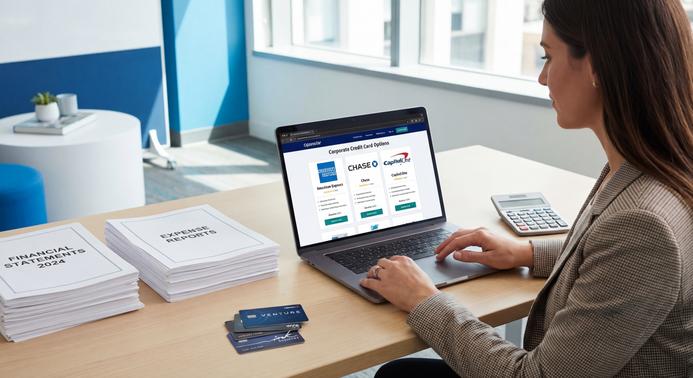
Before submitting anything, it's smart to understand what banks and financial institutions actually evaluate. Corporate card eligibility hinges on several factors, and missing even one could delay your approval. Most lenders want to see a legitimate, registered business entity along with a healthy financial track record. Sole proprietors, LLCs, and corporations all qualify, but each faces slightly different documentation standards.
Revenue and Credit Score Benchmarks
Lenders typically require a minimum annual revenue—often around $50,000 to $100,000—depending on the card tier. Your business credit score matters just as much. A DUNS number registered through Dun & Bradstreet strengthens your profile significantly. Personal credit scores sometimes come into play too, especially if your business hasn't built independent credit history yet. Aim to keep both scores above 670 to boost your chances of credit line approval.
Legal Documentation Needed
Prepare your Employer Identification Number (EIN), articles of incorporation, and recent tax returns. Banks also request financial statements, including profit-and-loss reports. Having these documents organized ahead of time speeds up teh review process and shows lenders you're serious about responsible business expense management.
Choosing the Right Employer-Issued Payment Card
Not all corporate cards serve the same purpose. Some focus on travel rewards, others on cashback, and a few specialize in flexible employee spending limits. Picking the wrong card means leaving money on the table—or worse, paying unnecessary fees.
Comparing Reward Structures
Look at how your company spends most frequently. If travel dominates your budget, cards offering airline miles and hotel points deliver better value. Retail and supply-heavy businesses benefit more from cashback programs. Don't overlook sign-up bonuses either; some cards offer thousands of bonus points after meeting an initial spending threshold within 90 days.
- Travel-focused cards: Best suited to companies sending employees on frequent trips
- Cashback cards: Ideal when office supplies, software, and vendor payments dominate
- Flexible-reward cards: Great all-around option if spending patterns vary quarterly
Fee Analysis and Interest Rates
Annual fees range anywhere between $0 and $500+. Higher-fee cards usually pack premium perks like airport lounge access, travel insurance, and dedicated account managers. Evaluate whether those perks genuinely offset the cost. Interest rates matter if you plan to carry a balance, though most financial advisors recommend paying statements in full each month to protect your credit line approval status.
Step-by-Step Submission Process
Once you've selected a card and gathered documents, the actual submission stage becomes relatively straightforward. Most major issuers—American Express, Chase, Capital One—offer online portals designed to walk you through each field.
Online Portal Walkthrough
Start by visiting the issuer's business card page. You'll enter basic company details: legal name, address, EIN, annual revenue, and number of employees. Next, specify how many cards you need and set preliminary employee spending limits. Review every entry carefully; errors here cause unnecessary delays. After submission, expect an initial decision within 24 to 72 hours.
Phone and In-Branch Alternatives
Prefer speaking to a human? Call the issuer's dedicated business line or visit a local branch. Representatives often provide personalized guidance on selecting the best credit line approval tier. They also help troubleshoot documentation gaps on the spot, something online portals simply can't replicate.
Managing Cards After Approval
Approval marks the beginning, not the finish line. Effective business expense management depends on how well you monitor and control card usage once those shiny plastics arrive.
Setting Employee Spending Limits
Most issuers let administrators set individual employee spending limits through an online dashboard. Categories like dining, travel, and supplies each deserve separate caps. Regular reviews—monthly at minimum—help identify unusual patterns before they become costly problems. Some platforms even send real-time alerts whenever a transaction exceeds a predefined threshold.
- Assign unique cards to department heads to simplify tracking
- Enable transaction notifications to catch unauthorized purchases early
- Schedule quarterly limit reviews aligned to budget cycles
Integration and Expense Reporting Tools
Link your employer-issued payment card to accounting software like QuickBooks, Xero, or FreshBooks. Automated syncing eliminates manual data entry and reduces human error. Employees submit digital receipts directly through mobile apps, giving finance teams instant visibility. This integration turns raw transaction data into actionable insights, helping leadership make smarter budget decisions moving forward.
Conclusion
Securing a company credit card doesn't need to feel complicated. Verify your corporate card eligibility, compare reward options, gather proper documents, and submit through your preferred channel. Once approved, set clear employee spending limits and integrate everything into your accounting workflow. Smart business expense management starts here—take teh first step today and give your team the financial tools they deserve.